Difficulty
Easy
Serve in: Large Wine Glass
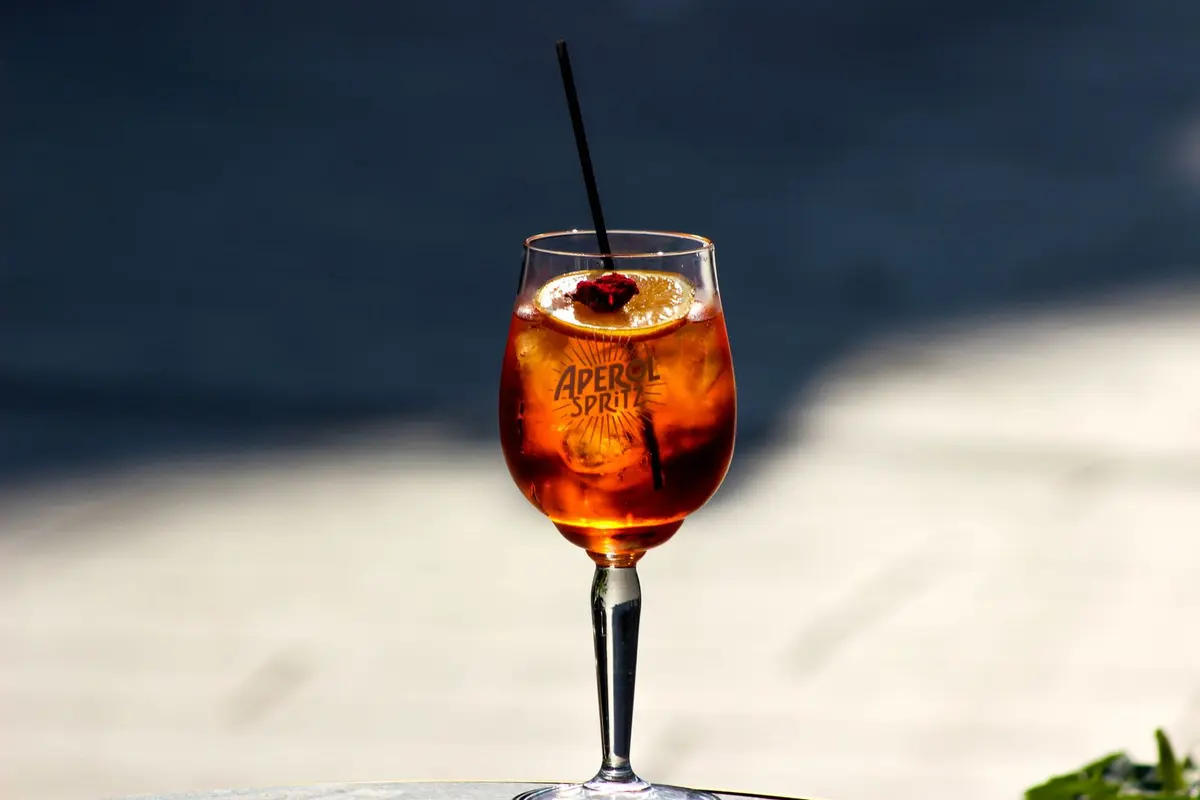
Aperol Spritz
A crisp Aperol Spritz made with the classic 3-2-1 ratio: prosecco, Aperol and soda over plenty of ice. Bright, bittersweet and ready in three minutes.
Updated: 2026-09-18
Glassware + tools
Serve it like a bar would
Best glass
Large Wine Glass
The wide bowl leaves room for plenty of ice and brings the orange aroma to the surface without sacrificing the fizz.
Find this glass →Useful tools
Affiliate links: as an Amazon Associates participant we earn a commission on qualifying purchases, at no extra cost to you. We only surface gear that fits the serve, and a commission never changes the recipe.
01 Ingredients
02 Method
Fill a large wine glass to the top with fresh ice.
Pour in the chilled prosecco first so it keeps more of its fizz.
Add the Aperol, then top with soda water.
Give the drink one gentle lift with a bar spoon; do not churn it.
Garnish with a fresh orange slice and serve immediately.
A proper Aperol Spritz is cold, dry and lively
An Aperol Spritz should not taste like a glass of melted orange candy. The best version is brisk and sparkling, with enough prosecco to lift Aperol’s bittersweet orange flavour and just enough soda to lengthen the drink. It is an easy aperitivo, but temperature and order matter.
The familiar 3-2-1 formula means three parts prosecco, two parts Aperol and one part soda water. For one generous glass, that is 90 ml prosecco, 60 ml Aperol and 30 ml soda. You can scale the drink up without changing the balance.
Aperol Spritz ingredients (and what each one does)
- 90 ml / 3 oz prosecco — the base: acidity, fruit and all of the bubbles.
- 60 ml / 2 oz Aperol — bitter orange, rhubarb and the sweetness that defines the drink.
- 30 ml / 1 oz soda water — no flavour of its own; it lengthens the drink so it stays refreshing instead of syrupy.
- 1 orange slice — aroma on the nose, not sweetness in the glass.
- Ice, right to the top — keeps it cold and slows the dilution.
There is no juice, no syrup and no garnish beyond the orange. If a recipe asks for more than these five things, it is a different drink.
Aperol and prosecco: why this pair works
Aperol brings bitter orange, rhubarb and a soft sweetness, while prosecco answers with acidity, fruit and the bubbles that keep the whole thing lively. Soda water adds no flavour at all: it stretches the drink so it stays refreshing. Order matters when you build it — prosecco first, Aperol second, soda last.
Aperol Spritz recipe in ml and oz
Use this table when you want an exact Aperol Spritz recipe in ml or oz, or when you are making more than one round.
| Parts | Prosecco | Aperol | Soda water | Total |
|---|---|---|---|---|
| 3-2-1 | 90 ml / 3 oz | 60 ml / 2 oz | 30 ml / 1 oz | 180 ml / 6 oz |
| 4-3-2 (drier) | 120 ml / 4 oz | 90 ml / 3 oz | 60 ml / 2 oz | 270 ml / 9 oz |
| 6-4-2 (pitcher, 4 servings) | 540 ml / 18 oz | 360 ml / 12 oz | 180 ml / 6 oz | 1.08 L / 36 oz |
Measure the Aperol with a jigger rather than pouring by eye. A heavy hand with the Aperol is the single most common reason a homemade spritz tastes sweet and flat. If you prefer a drier drink, move to the 4-3-2 line instead of reducing the soda.
Aperol Spritz alcohol percentage: how strong is it?
Aperol has an alcohol percentage of 11% ABV and a typical Brut prosecco sits around 11% too. Mixed 3-2-1, that puts an Aperol Spritz at roughly 9% ABV — about two thirds the strength of a standard glass of wine, and noticeably lighter than a Negroni or a Martini.
| Build | Alcohol percentage |
|---|---|
| 3-2-1 (classic) | ~9% ABV |
| 4-3-2 (drier) | ~10% ABV |
| Aperol and soda only | ~5.5% ABV |
In practical terms, one 180 ml serve contains around 16 ml of pure alcohol, which is just under one standard drink in most countries. A single Aperol Spritz is roughly 140-160 kcal, most of it from the sugar in the Aperol and the prosecco, so it is an aperitivo rather than a low-calorie option.
Which prosecco works best?
Choose a chilled Brut or Extra Dry prosecco with clean acidity. Despite the label, Extra Dry is slightly sweeter than Brut; use Brut if you want a sharper, less sweet spritz. There is no need to open an expensive vintage bottle, but avoid a prosecco that tastes soft or noticeably sugary on its own.
Pour the prosecco before the Aperol. This reduces the amount of stirring needed and helps preserve the bubbles. Add the soda last, then move the spoon gently from the bottom to the top once.
Can you use champagne instead of prosecco?
Yes, although the drink changes. A Brut champagne makes a drier, more yeasty spritz with finer bubbles. It can be delicious, but prosecco’s fresh fruit character is closer to the classic Italian serve. Dry cava and crémant are both good, cheaper substitutes, and for an alcohol-free version use alcohol-free prosecco or a bitter orange soda over the same full glass of ice.
Common mistakes (and how to fix them)
- Too little ice. Fill the glass to the top rather than dropping in a few cubes; more ice keeps the drink colder and melts more slowly.
- Warm prosecco. Chill every liquid before you start. Ice should cool the drink, not rescue a warm bottle.
- Flavoured sparkling water. Use plain, freshly opened soda water; anything else changes the finish.
- An old orange slice. Cut it just before serving so it gives aroma without turning the drink bitter.
- Reaching for simple syrup. If your spritz tastes flatly sweet, the problem is too much Aperol, not too little sugar.
For something lighter and floral, try the Hugo Spritz. If you want more bitterness and depth, the Negroni Sbagliato keeps the bubbles but moves closer to a Negroni.
Aperol Spritz variations
- Aperol Spritz with champagne — drier, yeasty and finer-bubbled; keep the same 3-2-1.
- Hugo Spritz — the lighter, elderflower-forward option for the same occasion.
- Negroni Sbagliato — the same bubbles, but with far more bitterness.
- Non-alcoholic Aperol Spritz — alcohol-free prosecco or bitter orange soda, same build and same glass.
What to serve with an Aperol Spritz
It is an aperitivo, so keep the food salty and small: olives, crisps, taralli, cured ham, salted nuts or a simple cheese board. The bitterness cuts through fried and fatty snacks, and the modest alcohol means it survives a long, slow afternoon better than a Martini would. For a longer, cleaner drink at the same moment try the Tom Collins; for the other great Italian aperitivo pairing see the Paloma; and if you want a tequila version of the same occasion, the Margarita is the one to build.
Aperol Spritz FAQ
What is the exact Aperol Spritz ratio?
Use three parts prosecco, two parts Aperol and one part soda water. A single serve is 90 ml, 60 ml and 30 ml respectively.
Is Aperol Spritz made with prosecco or champagne?
Prosecco is the traditional choice. Champagne works, but produces a drier, more complex and more expensive drink.
Should an Aperol Spritz be stirred?
Stir it once, gently. Vigorous stirring knocks out carbonation and dilutes the drink faster.
What glass should I use?
A large wine glass is ideal because it holds plenty of ice and leaves room for the orange garnish.
Why does my Aperol Spritz taste too sweet?
Use Brut prosecco, keep the full measure of soda, and avoid reducing the ice. Do not add simple syrup.
How much alcohol is in an Aperol Spritz?
About 9% ABV when you build it 3-2-1, because both Aperol and prosecco are around 11% alcohol. A single 180 ml glass contains roughly 16 ml of pure alcohol.
How many ml is a standard Aperol Spritz?
90 ml of prosecco, 60 ml of Aperol and 30 ml of soda water, for 180 ml in total. In ounces that is 3 oz, 2 oz and 1 oz.
Available in
Goes well with
Related Recipes
Hugo Spritz
4mA bright, floral Hugo Spritz recipe with St-Germain, prosecco, mint, and lime, plus balancing tips for a clean finish.
Explore →Sex on the Beach
5mVodka, peach schnapps, cranberry and orange juice — the 1987 Florida highball that became the most ordered drink of the 1990s.
Explore →Bourbon Smash
5mBourbon, pressed mint, lemon and syrup shaken and poured over crushed ice — a julep that is colder, brighter and faster to make.
Explore →Chicha Morada Cocktail
5mDiscover the vibrant flavors of Peru with the refreshing Chicha Morada Cocktail, a delightful blend of ingredients.
Explore →Dunkin' Spiked Iced Coffee
5mDunkin' launched their own hard coffee line — and it went viral. This homemade version captures that creamy, caffeinated cocktail magic perfectly.
Explore →Fig Collins
5mEnjoy a refreshing twist on the classic Tom Collins with this delightful Fig Collins cocktail.
Explore →Free PDF
10 easy cocktails that impress
Ten classics with exact measures, numbered steps and the gear you actually need. Fourteen printable pages, no affiliate links inside.
Build a better home bar
Explore practical glassware and bar tools selected for the way these drinks are actually prepared and served.
Explore bar tools